


latest news
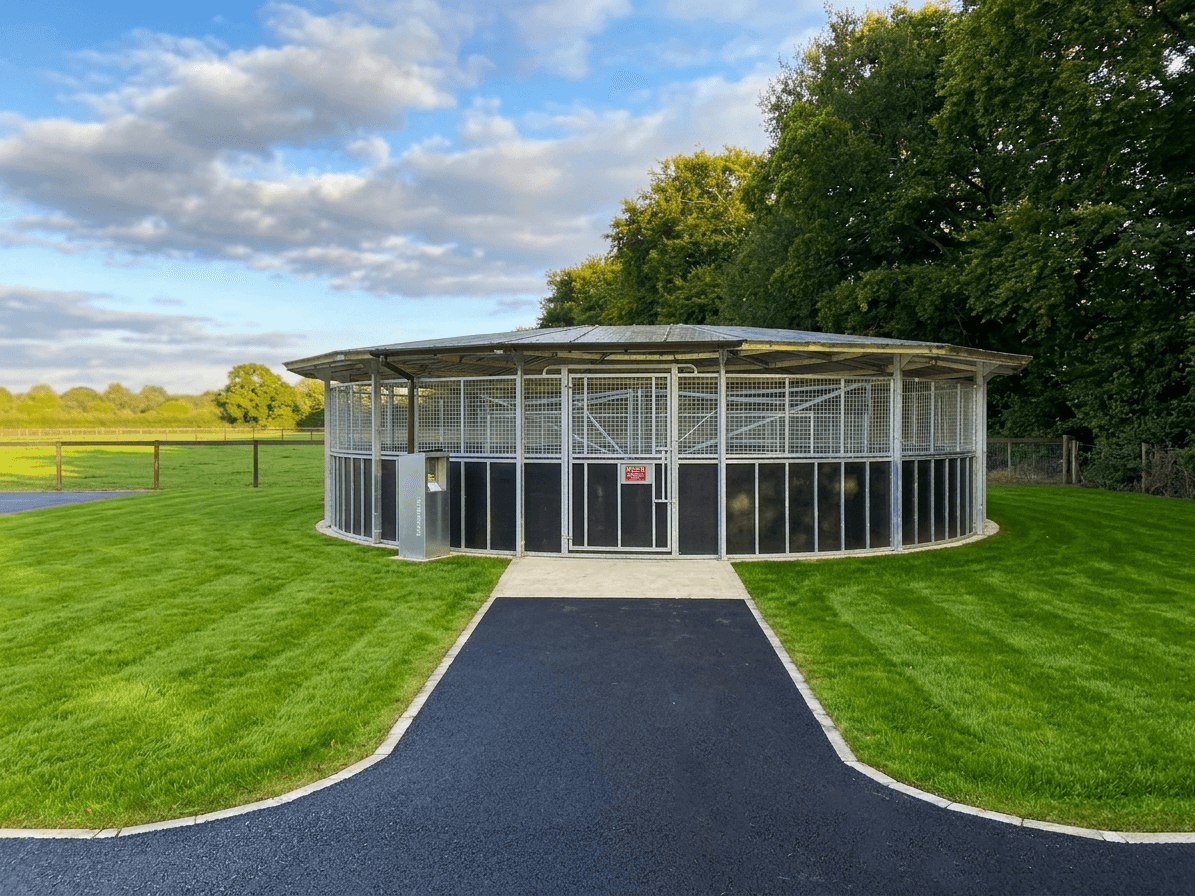
A horse walker is an important investment for any equestrian yard, providing a practical way to exercise horses as part of their daily management routine. Like any piece of mechanical equipment, however, regular maintenance is essential to keep it operating efficiently, safely and reliably.
Whether your horse walker is used every day at a busy professional yard or forms part of a smaller private facility, taking care of its components can help prevent unnecessary wear, reduce the risk of unexpected problems and protect your investment for years to come.
At Monarch Equestrian, we manufacture high-quality horse walkers designed for durability and long-term performance. With the right care and regular maintenance, you can help ensure your equipment continues to operate as it should.
Why Is Regular Horse Walker Maintenance Important?
Horse walkers contain a combination of mechanical, hydraulic and electrical components. With regular use and exposure to the elements, these components naturally experience wear over time. Without appropriate maintenance, small issues can develop into more significant problems, potentially resulting in costly repairs or unnecessary downtime.
Regular maintenance helps to:
- Maintain reliable performance: Keeping mechanical components properly maintained helps ensure the walker operates as intended.
- Identify potential problems early: Routine inspections can highlight signs of wear, damage or developing faults.
- Support safe operation: Checking important safety features and operating components helps maintain a suitable environment for both horses and handlers.
- Reduce unexpected downtime: Preventative maintenance can help minimise the likelihood of unexpected breakdowns.
- Protect your investment: Looking after your equipment can help extend its working life and maintain its performance.
5 Important Areas to Consider When Maintaining Your Horse Walker
Although some maintenance tasks can be carried out by owners or yard managers, others require specialist knowledge. Always refer to your original instruction manual for the correct maintenance procedures and recommendations for your particular model.
1. Check Hydraulic Oil Levels
Hydraulic systems play an important role in the operation of many horse walkers, making it important to monitor oil levels in accordance with the manufacturer’s instructions. On Monarch horse walkers, the hydraulic oil level can be checked using the sight glass on the control unit. Regularly checking the level can help identify potential problems, such as oil loss or leaks, before they develop further. Always use the recommended hydraulic oil specified in your instruction manual. If you notice a significant change in oil levels, signs of leakage or unusual operation, seek advice from a suitably qualified engineer.
2. Check Bearings and Lubrication
Bearings are essential mechanical components that allow parts of the horse walker to move smoothly. Insufficient lubrication can contribute to increased friction and premature wear, potentially affecting the performance of the equipment. Monarch recommends checking the lubrication around the central flange bearing regularly. The manufacturer’s recommended lubricant should be used, following the instructions supplied with your horse walker. Keeping up with these basic checks can help maintain smooth operation and reduce unnecessary wear on important components.
3. Inspect the Control Unit and Safety Features
The control unit manages the operation of the horse walker, including its speed, direction and stopping functions. Owners should familiarise themselves with the control unit and regularly check for any visible signs of damage or deterioration. It is also important to ensure that emergency stop buttons and other accessible safety features are functioning correctly. Electrical connections, wiring and internal control components should only be inspected or repaired by someone suitably qualified. Never attempt electrical repairs yourself.
4. Keep the Trackway and Surrounding Area Clear
The condition of the horse walker’s track way and surrounding area is another important consideration. Mud, debris, vegetation and other obstructions can accumulate over time, particularly during wetter months. Keeping the surrounding area tidy and ensuring that moving components remain free from obstructions helps support the smooth and safe operation of the equipment. Where rubber flooring or pavers are installed, these should also be checked periodically for signs of damage, movement or deterioration. Monarch can provide a part track way replacement and installation service to mend any damaged pavers.
5. Monitor the General Condition of the Walker
Taking time to observe the overall condition of your horse walker can help identify issues that might otherwise go unnoticed.
Look out for:
- Unusual noises during operation.
- Changes in speed or movement.
- Visible damage to structural components.
- Loose or damaged fittings.
- Signs of oil leakage.
- Deterioration around bearings and moving parts.
- Damage to gates, barriers or other safety features.
If something doesn’t seem right, stop using the equipment and arrange for it to be inspected before putting it back into operation. Never attempt to investigate or repair moving machinery while it is operating. Isolate the electrical supply before carrying out any permitted maintenance.
What Maintenance Can You Carry Out Yourself?
There are several simple ways owners and yard managers can help keep their horse walkers in good condition. Regular visual inspections, keeping the surrounding area clean, checking for obvious signs of damage and monitoring accessible oil levels are all useful parts of a routine maintenance schedule. It is also worth keeping a simple maintenance record, noting when checks have been completed and highlighting anything that may need further attention.
However, it is important to understand the difference between routine maintenance and mechanical repairs. Hydraulic systems, electrical components, braking systems and other specialist machinery should only be worked on by someone with the appropriate knowledge and qualifications. Attempting repairs without the necessary experience could cause further damage or create a safety risk.
When Should You Use an Agricultural Engineer?
While many routine checks can be completed by the owner, there may be occasions when professional assistance is required. An experienced agricultural engineer may be able to help with mechanical inspections, servicing, replacement components and identifying potential faults. Their experience working with agricultural and mechanical equipment can make them a useful point of contact for horse walker owners who require additional support.
For specialist electrical or hydraulic work, always ensure that the engineer has the appropriate qualifications and experience for the particular system.
If your horse walker develops a fault, begins making unusual noises or shows signs of mechanical deterioration, it is always better to seek professional advice rather than allowing the problem to continue.
Protecting Your Investment with the Right Maintenance
A quality horse walker is designed to provide years of reliable service, but looking after it is essential to achieving the best possible performance. By carrying out routine maintenance, keeping an eye on the condition of important components and seeking professional assistance when necessary, you can help protect your investment and reduce the risk of unexpected problems.
At Monarch Equestrian, we believe that quality equipment deserves the right care. Understanding how your horse walker works and keeping up with its recommended maintenance will help you get the most from it for years to come.
Looking for a quality horse walker for your equestrian facility?
Monarch Equestrian
Telephone: 01902 605566
Website: www.monarch-equestrian.co.uk